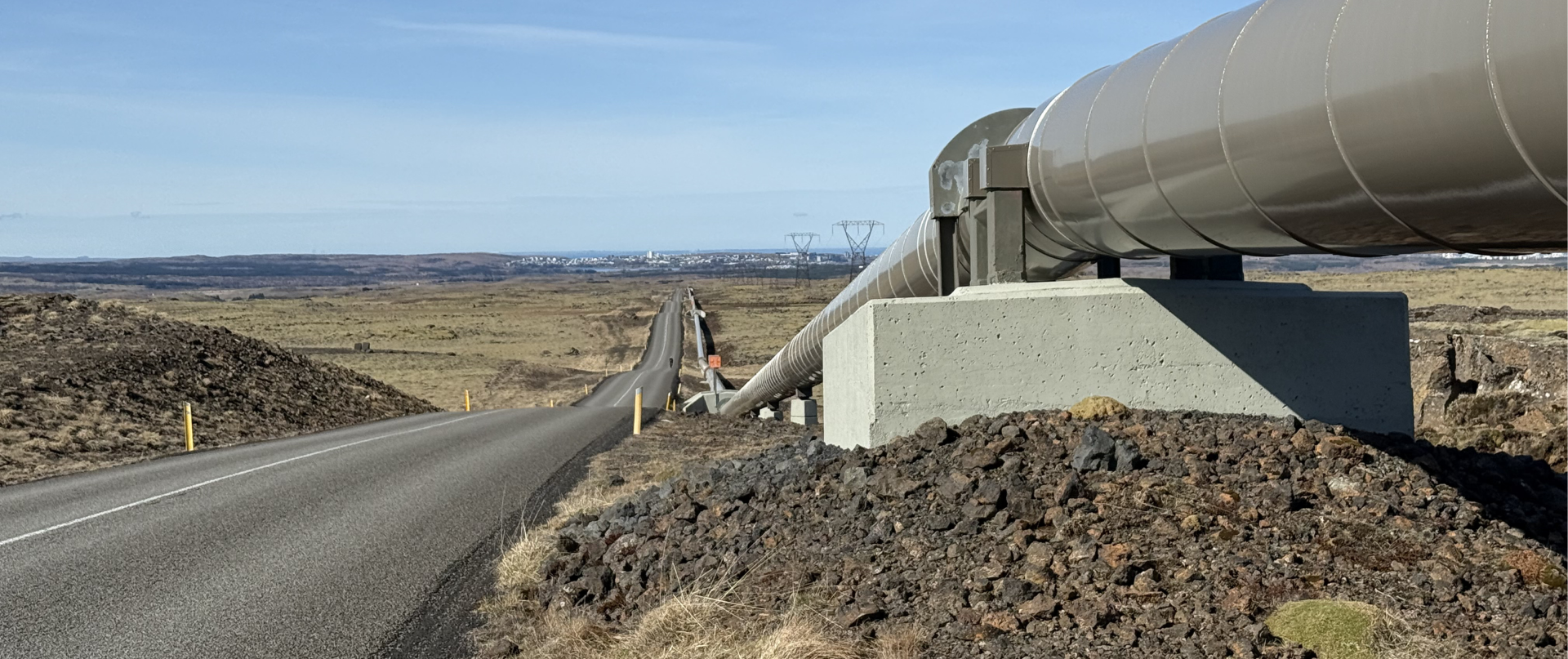
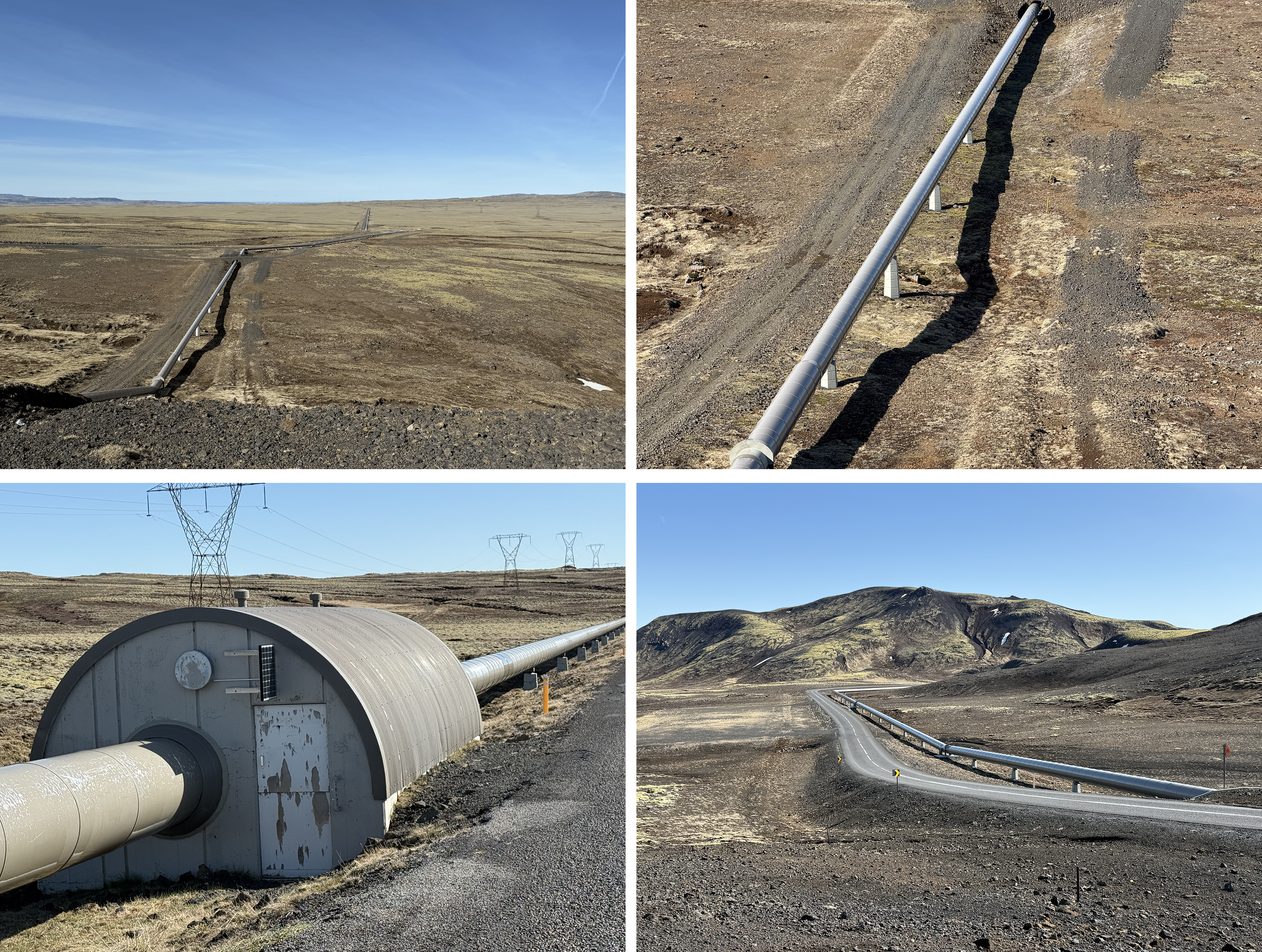
A critical 27 km pipeline connects the Nesjavellir power plant with the capital, Reykjavik, supplying the city with hot water for space heating and electricity. In this context, IoT plays a vital role in the smart maintenance and monitoring of this essential infrastructure.
Challenge
Monitoring the Nesjavellir pipeline presents unique obstacles. The line runs both above and below ground through challenging landscape. To ensure the capital’s energy security, it is crucial to monitor pressure at three critical valve points.
Key challenges included:
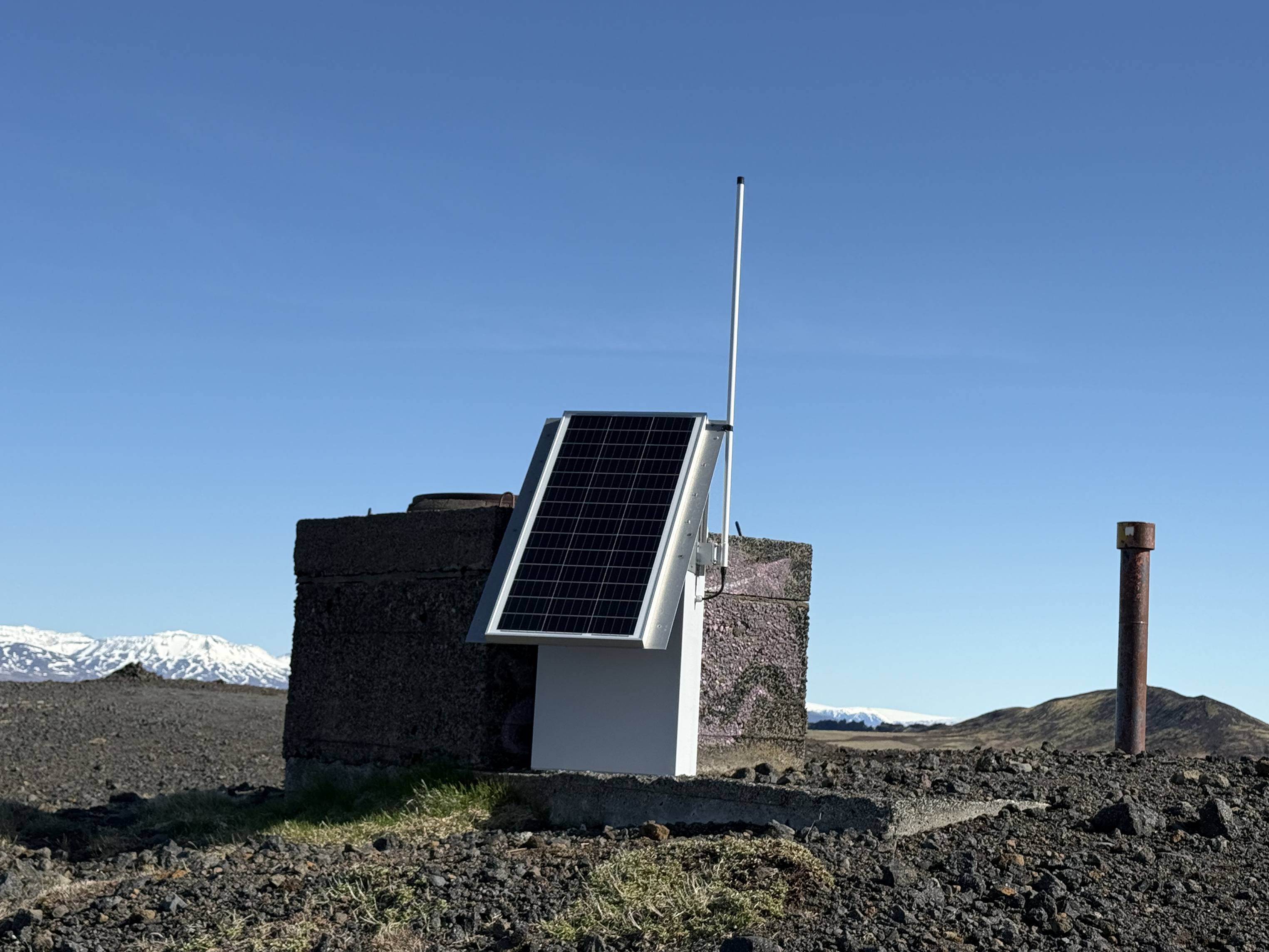
Remote and hostile location: two of the three valve houses lack grid electricity and are located in hilly areas with poor telecommunications coverage.
Limited physical access:the access road alongside the pipeline is not serviced during winter, making physical inspections difficult or impossible.
Human resource demands:up until now, valve maintenance required on-site monitoring, forcing personnel to be physically present just to verify the status of the valves.
Solution
Veitur Utilities, Iceland’s largest utility company, requested a change towards a more sustainable and efficient approach of the pipeline maintenance. Remote monitoring plays a central role in Veitur’s strategy of leveraging data and business intelligence for smarter operations.
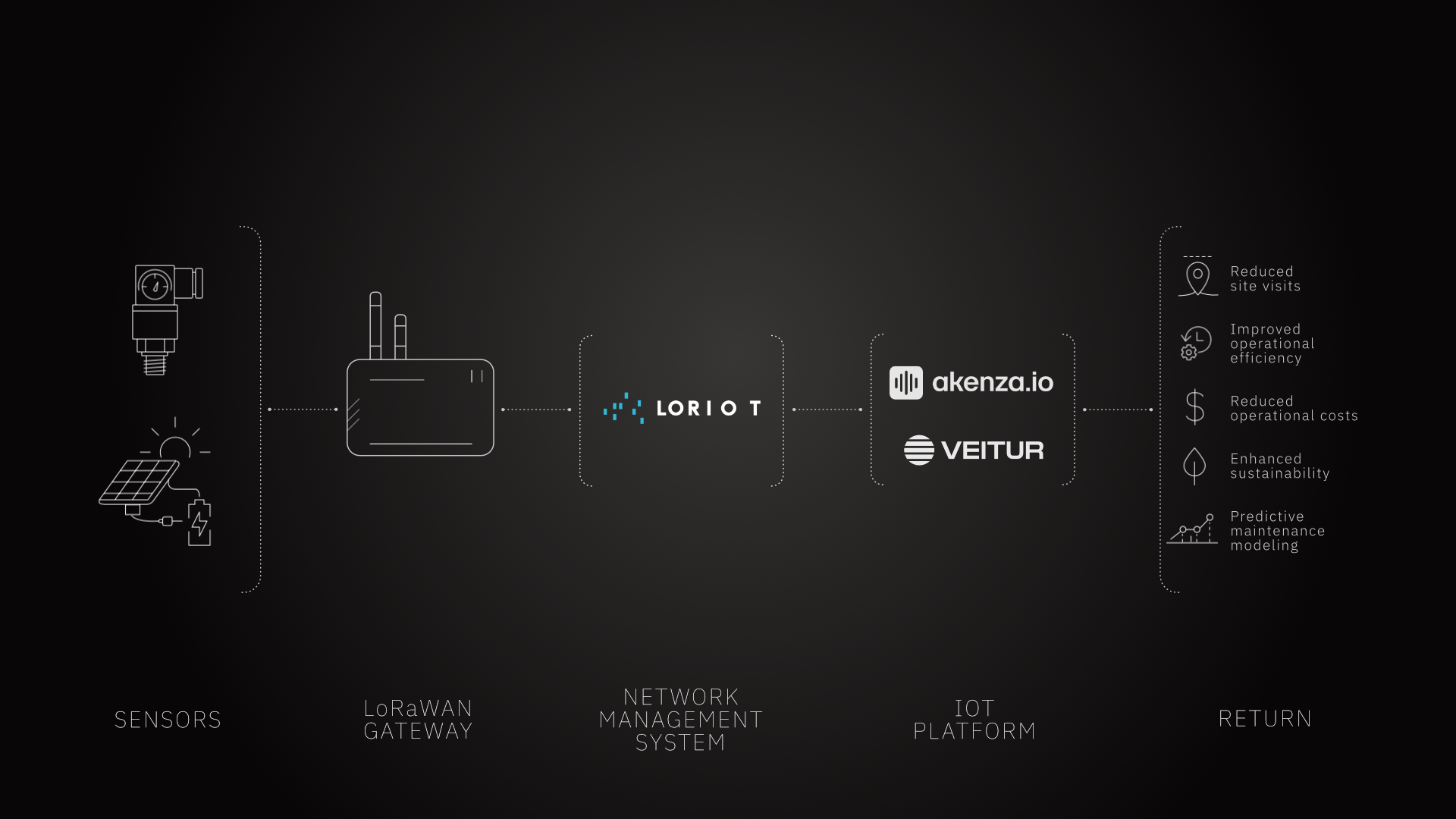
Our ecosystem partner, Rafal, experts within the energy sector, implemented a solution utilizing the power of IoT. The solution includes pressure sensors with 4-20 mA output that are connected to LoRaWAN communication modules. The low power consumption and long-range capabilities of LoRaWAN successfully overcome the challenges of the remote locations.
Data is transmitted via LoRaWAN through Rafal's instance of the LORIOT Network Management Server and into the Akenza.io IoT platform, which acts as the middleware. From Akenza, the data is integrated directly into Veitur’s internal systems and databases.
"LoRaWAN technology has enabled us to collect data from locations without power or traditional communication infrastructure, providing reliable and measurable insights and eliminating guesswork.” said Aron Ingi Sverrisson, Geographic Information Systems Expert at Veitur.
The Return
The sensors offer flexible measurement intervals to suit different operational needs. Under normal conditions, they transmit data every few hours to monitor the state of the valves efficiently. During periods of critical testing or when specific monitoring is required, the sensors are shifted to real-time measurement and data transmission.
This approach ensures efficient power usage by transmitting small data packets instead of a constant, high-volume stream. That significantly reduces costs related to network bandwidth and battery maintenance.
Furthermore, the battery-powered sensors are recharged via on-site solar panels. By extending battery life through solar energy, the solution becomes even more sustainable and environmentally friendly.
The LoRaWAN-based monitoring solution delivers significant advantages:
Reduces operational costs by eliminating frequent site visits and manual checks
Improves data reliability, as high-quality data volume allows for better decision-making and predictive modeling
Enhances sustainability by minimizing travel-related emissions and supports long-term infrastructure resilience
Improves operational efficiency, reduces downtime, and optimizes resource allocation
With accurate data, Veitur can enhance preventative maintenance, improve service reliability, and minimize system disruptions.
The project supports multiple United Nations'sustainable development goals (SDGs).
Conclusion
The shift towards LoRaWAN-based solutions for the Icelandic energy industry represents more than just a technical upgrade. It is a transition toward data-driven maintenance that overcomes the harsh geographical and logistical challenges of the Icelandic landscapes.
In collaboration with Veitur, Rafal has been working on several projects, including an implemented city-wide project in Reykjavik to monitor water pressure levels. This demonstrates that the shift is adaptive, sustainable, and aligned with the governmental commitments toward sustainable, low-impact industrial operations.
As infrastructure grows more complex, this solution of remote, autonomous monitoring serves as a blueprint for utility companies worldwide.
About Rafal
Founded in 1983, Rafal has transformed from an electrical contracting company into a leading service and knowledge company in the energy sector, specializing in high-voltage systems, digitalization and infrastructure development. With an increased focus on digital solutions, sustainability and innovation, Rafal is better positioned than ever to drive the energy transition and strengthen the energy infrastructure of the future.